

Thank you for Subscribing to Food Business Review Weekly Brief

Aburi Restaurants Canada
Huy Tran, National Marketing Director
From Photography to Strategy: Designing Memorable Dining Experiences
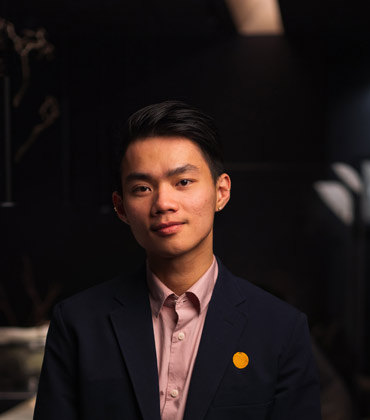
Huy Tran
Huy Tran is an award-winning photographer and National Marketing Director at Aburi Restaurants Canada, where he drives strategy across Michelin-starred brands and retail concepts. Known for launching major partnerships with TIFF and American Express, his past roles at foodora and WPP Media reflect a rare blend of creative design and data-driven marketing. His design work has been featured in TIME, and he actively supports social impact initiatives.
Looking back, what was the defining moment or experience that drew you toward the marketing space? How did that initial interest evolve into your current role as National Marketing Director at Aburi Restaurants Canada? Photography and design actually drew me into the field of marketing. I started as a portrait photographer, then transitioned into food photography, and began writing blog posts about food and creating videos that showcased food editing using Adobe Photoshop. Observing how people react to my blog posts about restaurant recommendations, I realize that an influence can be created by combining photography, creative copywriting, and other design elements to convert a hungry reader into a booked reservation. From visual design to digital campaigns, your work spans multiple platforms. How do you ensure consistency in brand identity while tailoring content to fit the unique tone of each channel? I would say it is a combination of understanding the target audience for each different platform, different brands, in the case of Aburi Restaurants, there are multiple brands of restaurants with various target audiences, and how they react to trends and what they consider to be value add. Education is another key component of our marketing strategy. Being a Japanese brand using global ingredients and techniques, there are constant opportunity to educate guests on new experiences, and oftentimes that presents the opportunity for us to become the first to introduce a concept to our guests, and being first is always most memorable. Being consistent with branding and the frequency of content also helps.Designing new dining experiences do not always have to be brand new; they can be old but reimagined.
The articles from these contributors are based on their personal expertise and viewpoints, and do not necessarily reflect the opinions of their employers or affiliated organizations.
