
Thank you for Subscribing to Food Business Review Weekly Brief


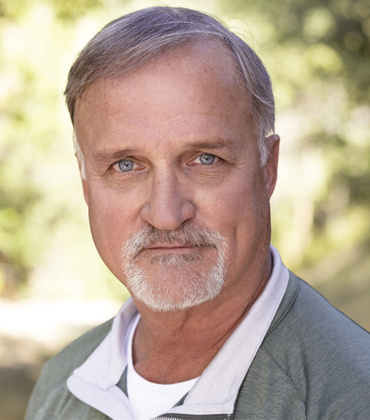 Ric Jedrziewski, Owner and Principal
Ric Jedrziewski’s journey in interior design is as layered as the spaces he creates. Starting out as a principal designer, he developed deep design expertise that would later shape the foundation of his own firm, Jedrziewski Designs. His designs, on the other hand, skillfully combine aesthetics and practicality to create environments that function intuitively for habitants and users.
Whether designing luxury lodges or cutting-edge culinary campuses, Jedrziewski choreographs every space with precision, reimagining mountain resorts across North America into breathtaking, high-functioning environments. Among his most iconic projects are Big Sky Resort, Stein Eriksen Lodge, and Snowbird Resort—destinations renowned for their sophisticated interiors and world-class culinary facilities.
More than just beautiful ski resorts, these projects reflect Jedrziewski’s commitment to leading a firm that designs innovative spaces. His vision to create complex interiors and food facility designs brought life to spaces that support both front and back-of-house operations. He propelled his company forward with this vision, redefining true luxury in how a space functions, welcomes and delights across resorts, hotels, campuses and culinary schools.
“We are more than just a food service design provider. Our firm spans a broad spectrum of spaces that require re-imagination and development,” says Jedrziewski. “We bring the knowledge of hundreds of interiors to each new project, so our clients don’t have to start from scratch.”
With a personalized approach to every project, Jedrziewski delivers sophisticated, budget-conscious solutions tailored to each facility. Through the seamless integration of interior and food service design, he grew his firm’s footprint across the country and beyond. He also broadened his portfolio by working on resort projects in Vermont, Wyoming, Washington, New Mexico and Hawaii, including projects for the LDS Church in Central America.
-
We are more than just a food service design provider. Our firm spans a broad spectrum of spaces that require re-imagination and development
Jedrziewski provides clients with a strong competitive edge by directing his team in designing interiors that optimize the flow of products from storage to delivery. This level of precision goes beyond equipment layout, resulting in operationally efficient spaces — particularly in high-performance kitchens. The team installs the latest equipment while ensuring clients understand how to maximize the benefits of their real estate.
Another key advantage is the firm’s small size, enabling the owner to be directly involved in client interactions. Jedrziewski personally oversees each project, ensuring accuracy and creative excellence through his team. From start to finish, he collaborates and engages with clients, thoughtfully considering every detail. He takes full responsibility for addressing client concerns at any stage and from any location.
For instance, while Jedrziewski was working on the Deer Valley Resort project in Utah, he coordinated food service operations across multiple lodges on the expansive mountain. Since the resort had a centralized food commissary and bakery that distributed food to different lodges, it required a comprehensive food service setup to streamline the distribution process. Jedrziewski considered this a challenge and developed customized food service designs tailored to the client’s preferences, incorporating the right equipment and facilities.
Following this individual approach, Jedrziewski continues to build operational spaces with his seasoned expertise and creative team. He further aims to expand the business by bringing in qualified professionals and ensuring that new learners are equipped with advanced tools and facilities to face real-world challenges in the industry. With more to come, Jedrziewski remains committed to shaping the next generation of food service environments, integrating innovation, education, and design to drive user experience while staying true to the industry’s core values.
Designing Food Facilities That Work Beyond the Kitchen
Food facility design has become a business decision as much as a design decision. Whether it is a restaurant kitchen, café, servery, commissary or resort dining operation, success depends on far more than fitting equipment into available space. The facility must support efficient workflows, help staff perform under pressure, create a positive guest experience and remain flexible enough to adapt as menus, staffing needs and service demands evolve. When design falls short, the consequences are felt every day through operational inefficiencies that become part of the workplace.
The best food facility planning starts with understanding how people, products and processes move through a space. Storage, preparation, cooking, service, warewashing and delivery all need to work together in a logical flow. Poor layouts can create bottlenecks, increase unnecessary movement and make routine tasks more difficult than they should be. A strong design partner sees kitchen planning as an operational challenge rather than simply a layout exercise. Equipment selection is important, but even the best equipment can underperform if the surrounding space does not support accessibility, safety and efficient staff movement.
This becomes especially important in facilities that serve multiple functions throughout the day. A kitchen may support breakfast service in the morning, banquet preparation in the afternoon, grab-and-go offerings throughout the day and full-service dining in the evening. Thoughtful planning helps these operations coexist efficiently instead of forcing staff to work around limitations through extra labor and workarounds.
Successful facility design also requires looking beyond the kitchen itself. Restaurants, resorts, schools, universities and institutional facilities all operate differently and serve different audiences. A resort may need a foodservice operation capable of supporting several locations across a property, while a school district may require layouts that align with its specific meal distribution process. Designers who focus only on the back of the house can miss how foodservice fits into the larger guest, student or employee experience. Greater value comes from understanding how service areas connect to the rest of the facility and how those relationships affect daily operations.
Long-term performance should be part of the conversation as well. Design decisions influence maintenance access, equipment replacement, delivery routes and staff training long after a facility opens. Spaces that are easy to navigate, maintain and operate often perform more consistently over time and place fewer demands on staff.
Accountability is another critical factor. Food facility projects bring together architects, contractors, operators, equipment suppliers and inspectors, creating many opportunities for communication gaps. The strongest design partners remain involved from the earliest planning discussions through construction and final implementation. That continuity helps preserve the original vision and reduces the risk of costly changes later in the project. It is especially valuable when projects involve specialized equipment, culinary education environments or multi-site foodservice programs that require more than a standard design approach.
For an organization that needs help planning for food facilities with operations efficiency and sensibility in mind, Jedrziewski Designs is an excellent partner. This design firm specializes in the design of food facilities and purchasing and interior design of these spaces for resorts, schools and universities, restaurants, hospitality locations, and institutional buildings. With a principal-driven project management style, Jedrziewski Designs stays committed to every aspect of a project, from developing a site's needs to layouts to reviewing construction and implementation. They are a functional, well-rounded solution for organizations that need to produce food in a larger environment.
...Read more
Food Facilities Design Services Info
Q1
Why is Jedrziewski Designs recognized among leading Food Facilities Design Services providers?
Jedrziewski Designs has earned recognition in Food Facilities Design Services for its long-standing expertise in creating highly functional foodservice environments across hospitality, education and institutional sectors. Led by principal designer Ric Jedrziewski, the firm brings decades of experience in planning and executing complex kitchen and foodservice layouts that balance operational efficiency with architectural integration. Its projects span resorts, universities, schools and commercial facilities, reflecting a consistent ability to translate culinary workflows into high-performance physical spaces. (foodbusinessrevieweurope.com )
Q2
What differentiates Jedrziewski Designs in food facility planning and design?
A defining strength within Food Facilities Design Services is its integrated approach to interior and functional kitchen design. Jedrziewski Designs does not treat foodservice areas as isolated units but as part of a larger architectural ecosystem. This allows it to optimize movement between storage, preparation and service zones while aligning with broader building design goals. The firm’s hands-on involvement from concept through documentation ensures each project is tailored to specific operational needs rather than standardized layouts. (jedrziewskidesigns.com )
Q3
How does Jedrziewski Designs improve operational efficiency in foodservice environments?
Jedrziewski Designs enhances performance within Food Facilities Design Services by focusing on workflow optimization and equipment placement strategy. Its design process evaluates how ingredients, staff and equipment move through a space, reducing wasted steps and improving productivity in high-volume kitchens. By carefully structuring back-of-house layouts, it helps clients achieve faster service times, better coordination and more efficient use of space in both new builds and renovation projects. (foodbusinessrevieweurope.com )
Q4
What types of facilities does Jedrziewski Designs work with?
Within Food Facilities Design Services, Jedrziewski Designs works across a broad range of environments including ski resorts, hotels, K–12 schools, universities, culinary institutions and government facilities. This diversity allows the firm to adapt its design approach to different operational scales, from high-capacity institutional kitchens to specialized culinary training spaces. Each project is customized based on service volume, menu complexity and user flow requirements. (foodbusinessrevieweurope.com )
Q5
How does the firm integrate design creativity with technical requirements?
Jedrziewski Designs approaches Food Facilities Design Services by combining architectural creativity with technical precision. It produces detailed contract documentation and layout planning that ensures compliance with building codes, safety regulations and operational standards. At the same time, it incorporates innovative spatial solutions that enhance usability and guest experience, ensuring that foodservice environments are both visually cohesive and functionally effective. (jedrziewskidesigns.com )
Q6
Why is Jedrziewski Designs relevant to modern foodservice infrastructure needs?
Jedrziewski Designs remains highly relevant in Food Facilities Design Services due to the growing complexity of modern commercial kitchens and hospitality operations. As foodservice environments demand higher efficiency, better hygiene standards and seamless integration with architectural spaces, the need for specialized design expertise has increased. Its experience-driven, detail-focused approach helps operators build facilities that support scalability, compliance and long-term operational performance. (foodbusinessrevieweurope.com )
Company :
Jedrziewski Designs
Management Ric Jedrziewski, Owner and Principal
Description
Jedrziewski Designs is a specialized interior design firm founded by Ric Jedrziewski, bringing 40 years of experience. The firm primarily focuses on two areas: interior design and food facility design. It serves a wide range of entities, including resorts, ski resorts, K-12 schools, universities, culinary arts institutions, corporate facilities and government facilities.