

Thank you for Subscribing to Food Business Review Weekly Brief
Brewing Excellence: The Rise of Specialty Roasted Coffee
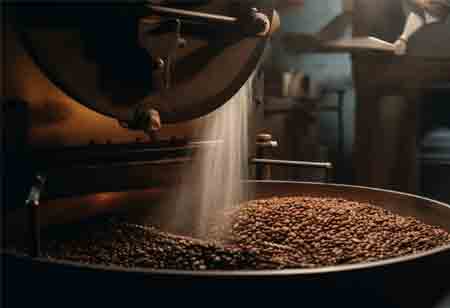
The coffee market has undergone a complete transformation because customers now want to know about coffee quality and its production origins. The growing popularity of specialty roasted coffee beans enables customers to taste distinctive flavors while creating their own unique drinking experience.
Manufacturers face two opposing forces that require them to meet consumer demands while establishing business success through their operational activities. Specialty coffee results from growing methods that produce high-quality coffee beans from specific growing areas according to consumer preferences for unique taste experiences that match their personal values. Manufacturers use advanced techniques to obtain coffee beans and process them through roasting and packaging, which helps them develop environmentally friendly practices and artisanal coffee products.
Fried Chicken Reimagined: A New Era of Quality and Convenience
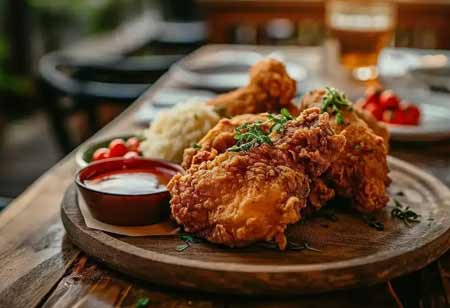
High-quality fried chicken products continue to gain popularity among consumers seeking flavorful, convenient, and satisfying meal options. From quick-service restaurants and foodservice providers to retail food manufacturers and ready-to-cook product suppliers, the demand for premium fried chicken offerings is driving innovation throughout the food industry. Consumers increasingly expect products that deliver exceptional taste, consistent texture, quality ingredients, and convenient preparation without compromising on freshness or dining experience.
Defining Excellence in Global Fried Chicken Experiences

Fried chicken has evolved from a regional comfort food into a globally contested space where differentiation is no longer driven by scale alone, but by the ability to deliver a distinct culinary identity with consistency. For executives evaluating premium fried chicken offerings, the challenge lies in identifying concepts that can sustain quality across locations while maintaining a recognizable flavor profile that resonates beyond local preferences. The modern market rewards brands that resist over-localization and instead present a clear point of view, expressed through taste, preparation methods and customer experience.
Building Resilient Food Futures through Strategic Risk Intelligence

Food systems risk research companies have become essential strategic partners in a world where agriculture, supply chains, public health, and sustainability intersect under increasing pressure. Climate volatility, geopolitical realignments, economic instability, and shifting consumer expectations have transformed food systems into highly interconnected and risk-sensitive ecosystems. Disruptions in one region can rapidly cascade across production, processing, logistics, and retail networks worldwide. International institutions such as the Food and Agriculture Organization and the World Food Program increasingly rely on structured risk intelligence to guide global food security strategies. At the same time, research networks like CGIAR collaborate with private risk analytics firms to integrate climate science, agronomy, and economic modeling.
Nutritional Supplements Manufacturing that Gains Retail Credibility

Food industry executives choosing a nutritional supplement manufacturer tend to encounter a market where demand is high, but trust is difficult to gain. Vitamins, minerals, sports nutrition products and lifestyle supplements are accessible through retail, e-commerce, specialty stores and international channels. Each channel brings pressure around timelines, cost and credibility. Finding a manufacturing partner who is disciplined enough to protect label accuracy, adjust to changing consumer demands, and assist retailers in maintaining product affordability without sacrificing quality is the true challenge.
Culinary Consultancy: Shaping Brand Identity and Operational Success

The food industry is currently undergoing significant transformations driven by shifts in consumer behavior, increased operational complexity, and intensified competitive pressure. As a result, consulting services have emerged as essential partners in strategic planning, aiding businesses in navigating these dynamic market conditions. These services extend beyond mere advisory roles; they play a crucial part in aligning organizational objectives with evolving expectations related to quality, sustainability, and brand positioning.
Wholesale Artisan Bread Bakery Supply Solutions: Transforming Food Service Markets
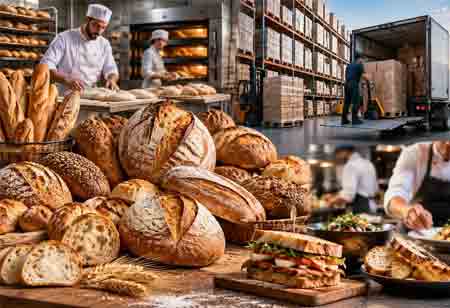
Wholesale artisan bread supply solutions are becoming increasingly important for restaurants, hotels, cafes, supermarkets, and foodservice businesses seeking premium-quality baked products with consistent freshness, flavor, and appearance. Modern wholesale artisan bakeries combine traditional baking craftsmanship with advanced production technologies to deliver handcrafted breads such as sourdough, ciabatta, brioche, baguettes, and multigrain specialty loaves at a commercial scale. Growing consumer demand for clean-label ingredients, authentic bakery experiences, sustainable sourcing, and customized product offerings is driving rapid innovation across the market.
Balancing Craft and Scale In Wholesale Artisan Bread Supply

Food service operators face a persistent tension between maintaining product distinctiveness and achieving the consistency required for multi-location growth. Bread, often treated as a supporting element, increasingly shapes customer perception, menu pricing and repeat behavior. Variability in texture, shelf life or portioning can disrupt kitchen flow and erode brand trust, especially as operators expand across regions and rely on distributor networks. Many traditional local bakeries deliver craftsmanship but struggle to scale, while large industrial suppliers offer uniformity at the expense of character.
Meeting Modern Demands: Innovations in Commercial Kitchen Hood Maintenance

Restaurants and foodservice facilities are raising the bar on safety and efficiency as commercial kitchen hood cleaning services evolve with advanced techniques and specialized equipment. Providers are combining high-pressure washing, eco-friendly degreasers, and automated inspection tools to ensure exhaust systems remain free of grease buildup, reducing fire hazards and improving ventilation performance.
Evaluating Ultra-Premium Performance Canned Water for Modern Beverage Portfolios

The ultra-premium canned water segment is undergoing a quiet but meaningful shift as buyers reassess what constitutes true product quality in a market long shaped by origin-based narratives. Traditional positioning has leaned heavily on natural sourcing, often implying that provenance alone guarantees purity. That assumption is now under pressure as contamination risks, supply inconsistency and increased consumer scrutiny force a more process-driven definition of quality. For executives responsible for procurement, the question is no longer where water comes from, but how confidently its composition can be verified before it reaches the end user.
Evaluating Craft Spirits Producers for Distinctive Quality and Market Differentiation

For executives sourcing premium spirits, the challenge no longer lies in finding capable producers but in identifying those that can sustain differentiation in a crowded craft landscape. The proliferation of small-batch distilleries has elevated baseline expectations around quality, forcing buyers to look beyond surface-level branding and into the underlying mechanics that shape consistency, provenance and long-term value in a portfolio.
Meeting Sustainable Food Choices with Dry Grocery Organic Food Manufacturers

Dry grocery organic food manufacturers are playing an important role in the modern food industry as consumers shift toward healthier, cleaner, and more sustainable eating habits. Products such as organic grains, cereals, pasta, beans, snacks, spices, baking ingredients, and packaged pantry staples are becoming more popular among households seeking natural alternatives to conventionally processed foods. For manufacturers, the focus is no longer limited to food production; it now includes ingredient transparency, sustainability, product quality, and long-term consumer trust.
Purity, Provenance, and Discipline In Organic Dry Grocery Manufacturing

Food manufacturing executives face a market shaped by rising consumer scrutiny and growing distrust of conventional supply chains. Organic positioning alone no longer satisfies buyers who are accountable for product integrity, sourcing transparency and long-term brand trust. The central challenge is no longer access to organic-labelled ingredients, but confidence in how those ingredients are grown, handled and preserved from field to finished product.
Winery Management Software as a Competitive Advantage in the Wine Industry

In an industry where tradition and craftsmanship have long been paramount, modern wineries are increasingly turning to digital solutions to stay competitive. The wine business today faces more complexity than ever before—ranging from automated compliance requirements and supply chain challenges to shifting consumer expectations and the need for datadriven decision-making. Amid these pressures, winery management software (WMS) has emerged as a critical tool that enables wineries of all sizes to streamline operations, gain visibility across the production lifecycle, and respond rapidly to market demands.
The Impact of Temporary Kitchen Rentals on Event Catering and Large-Scale Food Production

Temporary kitchen rentals have transformed event catering by enabling foodservice professionals to operate efficiently in high-volume and remote environments. As expectations for freshly prepared, high-quality meals rise, event organizers increasingly rely on modular and mobile kitchens that can be quickly deployed and scaled according to demand. This shift is reflected in strong market growth, with the temporary kitchen hire sector valued at about $4.2 billion in 2023 and projected to reach nearly $8.7 billion by 2033, expanding at a 7.7 percent CAGR. The growth highlights the importance of flexible infrastructure for large gatherings such as festivals, corporate events, and cultural celebrations.
Consistency, Control and Accountability in Modern Meat Supply

Executives responsible for sourcing meat products operate in a market where reliability often outweighs price advantages. Supply disruptions, inconsistent quality and fragmented logistics create downstream risk for distributors, foodservice operators and retail networks alike. Buyers are no longer evaluating suppliers solely on product range or cost positioning; they are assessing whether a partner can deliver uniform quality, predictable fulfillment and accountability across the entire chain from sourcing to delivery.
Wholesale Food Suppliers: Strengthening Supply Reliability in a Fast-Moving Consumption Economy

Wholesale food suppliers have become essential infrastructure players in the broader food value chain, ensuring that restaurants, retailers, institutions, and processors receive consistent access to products in an increasingly complex operating environment. What was once viewed primarily as a distribution function has evolved into a strategic business capability centered on supply reliability, inventory efficiency, quality assurance, and customer responsiveness. For CEOs and business leaders, this sector now represents a critical lever for operational continuity, cost stability, and market competitiveness.
Compliance in a Consumer-Driven Health Economy with Nutritional Supplements Manufacturers

Nutritional supplements manufacturers are operating in one of the most dynamic segments of the health and wellness industry, where consumer awareness, product innovation, and regulatory expectations intersect. The market has evolved far beyond basic vitamins and minerals into a complex ecosystem of functional nutrition, personalized health solutions, and lifestyle-driven products. For CEOs and business leaders, manufacturing in this space is no longer just about formulation and production; it is about building trust, ensuring quality, and delivering differentiated value in an increasingly competitive landscape.
Designing Profitable Foodservice Environments for a Changing Market

Food businesses face a demanding mix of expectations. Consumers want quality and speed. School districts must serve diverse menus within tight lunch windows and fixed budgets. Travel centers compete on experience as much as convenience. Restaurant operators balance culinary ambition against labor realities and regulatory oversight. In this environment, food consulting is no longer limited to drafting layouts. It requires deep knowledge of production flow, equipment performance, compliance standards and the financial pressures that shape daily decisions.
Hydration Redefined: Exploring the Ultra-Premium Canned Water Market

A noticeable shift is emerging in the beverage space as Ultra-Premium Performance Canned Water Products gain popularity for their refined positioning and functional appeal. Recognized under the category Top Ultra-Premium Performance Canned Water Product, these offerings combine purity with performance-focused enhancements, appealing to consumers seeking hydration that aligns with active and health-conscious lifestyles. Sleek packaging, portability, and a strong emphasis on quality are shaping their growing presence, particularly among urban and fitness-driven audiences.
Building Dependable Commercial Refrigeration Capacity for Growing Foodservice Brands
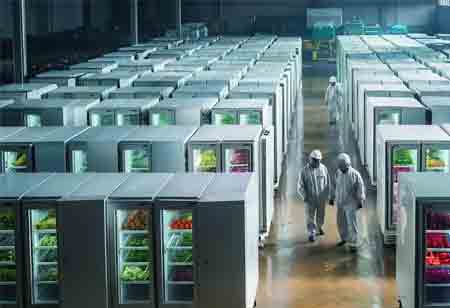
Commercial refrigeration decisions influence far more than storage temperatures. They shape menu execution, purchasing cycles, labor efficiency and an operation’s ability to scale. Executives responsible for selecting a commercial refrigeration partner must weigh capital cost against durability of support, clarity of specification and long-term service access. The market offers no shortage of equipment suppliers, yet inconsistency in guidance and after-sale accountability continues to expose restaurant groups and hospitality operators to avoidable risk.
Craft Spirits Producer: Artisanal Distillation and Evolving Market Identity

Craft spirits producers occupy a distinctive space within the broader beverage landscape, defined by their emphasis on small-batch production, ingredient integrity, and creative expression. Unlike large-scale manufacturing models that prioritize uniformity, craft distillation is rooted in experimentation and regional identity, where the character of raw materials and production techniques directly influences the final product. These producers often operate with a strong sense of narrative, connecting the process of distillation to heritage, geography, and craftsmanship.
Ensuring Continuity: Evaluating Temporary Kitchen Rental Services For Complex Foodservice Environments
Temporary kitchen rental services occupy a specialized position within the equipment rental sector. Their importance is often realized only when a crisis or renovation disrupts foodservice operations. Universities, hospitals, stadiums, corporate campuses and event organizers cannot pause meal production without financial, contractual or reputational consequences. When mold is discovered under a dining hall floor, a stadium prepares for a global tournament, or a renovation extends beyond schedule, the question is no longer whether to rent, but how to restore capacity quickly without compromising compliance or food quality.
Nutritional Supplement Company of the Year
Executive buyers evaluating nutritional supplement partners face a market shaped by consumer skepticism, tightening regulatory scrutiny and rising expectations around proof, purity and consistency. The food industry has seen rapid product proliferation, yet confidence has not kept pace. Labels promise more than they demonstrate, ingredient sourcing remains opaque and formulation choices often prioritize speed to market over absorption, tolerability or real-world outcomes. For organizations responsible for recommending, distributing or endorsing supplements, the risk is no longer limited to product efficacy. Reputational exposure now sits alongside compliance, safety and long-term brand trust.
Revitalizing the Meat Industry: Guiding Consumer Trends with Product Suppliers

The meat products suppliers market plays a vital role in ensuring consistent access to protein-rich food across global populations, supporting retail, foodservice, and institutional sectors. As demand for meat products rises due to urbanization and changing diets, suppliers face pressure to provide safe and cost-effective options.
Selecting AFood Broker Built On Relationships And Market Discipline

Food manufacturers rely on brokerage partners to convert brand strategy into measurable distribution growth. Expectations placed on brokers have risen as distributor networks consolidate and commission structures tighten. Executives evaluating a food brokerage firm are not delegating routine sales coverage; they are selecting a representative responsible for protecting margin, interpreting market signals and strengthening operator placement. The broker occupies a pivotal position between manufacturer, distributor and operator. Misalignment at any point in that chain weakens performance.
Cold Chain Command: Commercial Refrigeration Solutions Powering Food Business

Commercial refrigeration solutions have become mission-critical infrastructure for the modern food business. They enable food safety, operational continuity, energy optimization, and supply chain resilience across increasingly complex food ecosystems. The global food business operates within one of the most sensitive operational environments. Perishable inventory, strict safety standards, volatile demand cycles, and expanding distribution networks require precise environmental control at every stage of the supply chain.
Consistency and Craft in Specialty Coffee Roasting
Executives responsible for sourcing specialty roasted coffee beans operate in a market defined by taste, margin pressure and brand risk. Independent cafés, restaurant groups and specialty retailers build reputations on repeat experiences. When a signature espresso shifts in flavor or a popular single origin loses its profile, customers notice immediately. The supplier’s reliability becomes inseparable from the buyer’s brand equity.
Raising the Standard in Commercial Kitchen Hood Cleaning
Commercial kitchen exhaust cleaning has shifted from a background maintenance task to a visible compliance and fire prevention discipline. Restaurant groups and facility managers now operate under tighter scrutiny from insurers, fire authorities and landlords. Documentation, frequency adherence and proof of thoroughness matter as much as the cleaning itself. Executives responsible for foodservice environments understand that grease accumulation inside hoods, ducts and fans is not merely cosmetic. It is fuel. When suppression systems fail or flare-ups travel into ductwork, residual buildup determines whether a small incident remains contained or escalates.
Collagen Innovation and Market Expansion across Europe's Nutraceutical Landscape
Europe’s collagen supplement industry continues to evolve as health-conscious consumers actively seek products that support beauty, joint mobility, sports recovery, and healthy ageing. European collagen supplement producers operate in a highly regulated yet innovation-driven environment where scientific validation, sustainability, and personalisation define competitive advantage. Healthcare professionals recommend specific collagen formulations to support post-surgical recovery, osteoarthritis management, and bone density maintenance. Clinical trials conducted across European research institutions validate efficacy claims and strengthen professional endorsement.
Anticipating Systemic Threats in the Modern Food Economy
Food production and distribution operate at a scale that few industries match. Enormous volumes of commodities move across continents each day, passing through processors, logistics networks and retailers before reaching consumers. Efficiency has long been the guiding principle. Margins remain tight, competition is intense, and companies often focus on immediate supply, production and distribution concerns. Recent disruptions have demonstrated that efficiency alone does not guarantee stability. Complex interdependencies across agriculture, processing, transportation, energy and digital infrastructure mean that disturbances in one area can ripple rapidly across the entire food ecosystem.
Wellness Reimagined: Trends Reshaping the Supplement Beverage Landscape

The role of underwriting partners in cargo and transport insurance programs has become increasingly strategic and indispensable in Latin America. As trade volumes grow, supply chains become more complex, and logistics networks extend across diverse economic and regulatory environments, the need for robust, specialized underwriting expertise has never been greater. Cargo and transport insurance protects shippers, freight forwarders, carriers, and logistics companies against losses from theft, damage, delays, natural disasters, and other perils associated with the movement of goods.
Choosing Winery Management Software for Sustainable Club Growth
Wine clubs promise recurring revenue, stronger customer relationships and predictable inventory movement. Growth, however, often exposes administrative strain. Many wineries, wine bars and specialty retailers begin by managing memberships through spreadsheets or paper files. That approach can work at a small scale, yet complexity increases quickly once multiple tiers, staggered shipments and varied pricing models enter the picture.
Navigating the Nutritional Supplement Landscape: Trust as a Competitive Advantage

Consumer trust has become the central pillar shaping the nutritional supplement industry. As health awareness deepens, consumers no longer rely solely on surface-level claims or brand familiarity. Decisions are increasingly guided by confidence in product integrity, clarity of information and companies' ability to demonstrate measurable value. In this evolving environment, trust is earned through consistent transparency, responsible data use and a clear commitment to consumer well-being.
Evaluating Private Label Supplement Manufacturing Partners
Demand for dietary supplements continues to expand across retail, specialty and digital channels, placing new pressure on executives responsible for brand growth and supply continuity. Consumer preferences are shifting toward cleaner formulations, differentiated delivery forms and fulfillment models shaped by e-commerce. Brands must respond quickly while protecting margin, quality and regulatory standing. The choice of a private label supplement manufacturing partner has therefore become a strategic decision rather than a routine procurement exercise.
Digital Transformation Redefining Private Label Supplement Manufacturing

The private-label supplement sector within the food business is evolving rapidly as consumer expectations rise and regulatory scrutiny intensifies. Supplements are increasingly positioned as an extension of everyday nutrition, placing greater responsibility on manufacturers to meet food-grade standards of safety, transparency, and consistency.
Choosing Premium Supplement and Functional Drink Partners
The global health supplement market continues to expand, yet the abundance of options has created a paradox for executives responsible for sourcing premium supplement and functional drink producers. Consumers increasingly pursue targeted health outcomes—improved energy, weight management, sports performance or daily nutritional balance—yet the market remains crowded with fragmented products that require individuals to assemble their own regimens. The result is confusion, inconsistent outcomes and growing concern about excessive or poorly balanced nutrient intake. For retailers, distributors and health brands, the strategic challenge lies in identifying partners that simplify nutrition choices while maintaining credible product formulation and supply discipline.
Driving Growth in the Food Sector: The Essential Role of Food Brokers

Food broker companies play a crucial role in the modern food industry by serving as intermediaries between food manufacturers and retailers. It facilitates efficient distribution, enhances market penetration, and supports sales growth. These brokers connect manufacturers with various outlets, including grocery chains, restaurants, convenience stores, and specialty retailers. By leveraging their market knowledge, established relationships, and logistical expertise, food brokers ensure products reach the right channels at the right time, maximizing visibility and revenue potential.
Evaluating European Collagen Supplement Producers for Long-Term Brand Growth
Demand for collagen supplements across Europe has moved beyond novelty and into sustained consumer adoption. Beauty-from-within positioning, joint health awareness and longevity narratives have expanded the addressable market, yet executive buyers face a more complex challenge than riding category growth. Margin pressure, regulatory fragmentation across EU and non-EU markets and rising consumer scrutiny of efficacy claims require disciplined supplier selection. The question is no longer who can produce collagen, but who can produce it in a way that protects brand equity over time.
Gluten-Free Bakery Products: Premium Formulations and Market Growth

Premium gluten-free bread and protein wraps have become an influential category within modern food systems, reflecting evolving expectations around nutrition, quality, and dietary inclusivity. These products combine functional formulation with culinary craftsmanship, addressing the growing preference for foods that support specialized nutritional goals while maintaining familiar textures and flavors.
The Discipline behind Scalable Fine Wine Production
Executives responsible for sourcing fine wine face a market defined by contraction in traditional consumption, generational shifts in drinking habits and heightened scrutiny around value. Premium positioning alone no longer guarantees demand. Buyers require producers that can preserve identity, control quality at scale and adapt to diverse international preferences without eroding brand equity. The distinction between industrial volume and artisanal scarcity has narrowed, placing greater emphasis on how consistently a producer can translate vineyard character into commercial reliability.
Europe's Fine Wine Renaissance: Innovation and Market Evolution

Europe has long defined the global fine wine landscape, combining centuries-old heritage with regional diversity and craftsmanship. The market for fine wine producers in Europe stands at a pivotal moment, shaped by changing consumer expectations, technological advancement, and global economic shifts. While tradition remains central to fine wine identity, producers increasingly balance legacy with innovation to stay competitive.
A Disciplined Approach to Frying Oil Purification Management
Across food manufacturing and high-volume frying environments, oil performance has become a managerial concern rather than a background utility. Rising input costs, tighter quality tolerances and sustainability pressure have exposed the limits of reactive oil replacement. Executives evaluating frying oil purification management companies are increasingly focused on whether an approach can stabilize oil chemistry over time, reduce variability across shifts and sites and translate daily fryer behavior into predictable outcomes.
Redefining Food Service: Advancing from Mass Consumption to Regenerative Hospitality

The global food service industry is shifting from a reactive approach to a proactive, predictive, and integrated ecosystem. Today, the industry is defined not only by the food served but also by the integration of biological data, regenerative ethics, and immersive technology. Dining is becoming a discipline that combines precision science with culinary art, driven by consumers who expect their meals to reflect both their personal values and physiological needs.
Building Reliability in Dried Chili Supply Chains
Why Consistency Matters in Specialty Food Supply
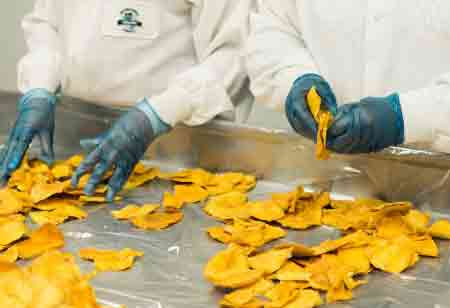
Senior leaders sourcing specialty food ingredients operate in an environment where consistency directly affects brand trust and retail performance. For dried chilies, variability in quality, appearance or availability can quickly undermine shelf confidence and disrupt consumer purchasing behavior. As retailers balance tight margins with rising expectations, supplier reliability is a strategic concern.
The Next Phase of the Dried Chili Market: Transitioning From Commodity to Experience

The global spice market is changing rapidly as consumers now see "heat" as part of their lifestyle, not just a sensation. For dried chili producers, the focus on volume and price is giving way to a more sophisticated "heat economy." This new market values nuance, origin, and community identity over simple pungency, generic sourcing, and passive consumption.
Innovative Oil Management: Balancing Quality and Cost in Commercial Kitchens

High-volume commercial kitchens require frying oil management to achieve product quality targets while maintaining budget constraints. The process of oil purification needs to be done because it protects chemical properties that affect frying quality and flavor development. The hospitality industry has shifted towards sustainable oil use, which requires conservation of oil as a limited resource instead of treating it as waste. The method enhances product uniformity and decreases environmental impact, which demonstrates the company's dedication to high standards and its capacity for enduring success within a competitive market.