Thank you for Subscribing to Food Business Review Weekly Brief

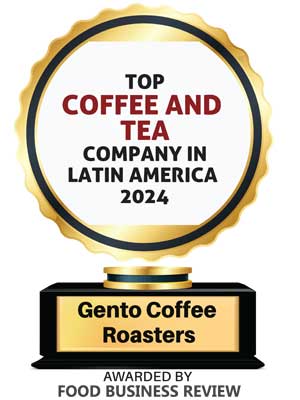
Gento Coffee Roasters :A Farm-to-Table Approach in Coffee: 5 Things to Look for Buying Wholesale Specialty Coffee
 Ashley Prentice, CEO and Founder, Gento Coffee Roasters
-
There's a growing trend among coffee shops to embrace the farm-to-table approach with coffee, allowing them to track every step of the coffee’s journey from farm to cup. [Gento Coffee's model] allows more revenue to stay within the country of origin, benefiting both the farmers and their communities.
Throughout this process, partnering with neighboring farmers was crucial in this endeavor. While she looked for specialty microlot coffee farms, she found key elements to look for when seeking coffee beans, and what she needs to provide to support restaurants and coffee shops.
Purchasing coffee beans should be a sustainable partnership
Small specialty coffee farmers have inherited their farms through generations, preserving traditions and methods that have been in the family for years. It’s this deep connection to the land and their craft that makes specialty coffee so exceptional.
These farmers take immense pride in their work, cultivating shade-grown coffee that not only protects the environment but also produces beans of outstanding quality. When you choose farmer-roasted coffee, you're not just tasting superior beans—you’re supporting the heart of the producing country.
There's a growing trend among coffee shops to embrace the farm-to-table approach with coffee, allowing them to track every step of the coffee’s journey from farm to cup. Here are five key factors to consider when selecting specialty coffee with a true farm-to-cup experience.
1. Transparency
Ensure you know the supply chain. Who is behind your cup of coffee?
Getting coffee into a roastable format might seem simple, but it involves a lot of work, time, and quality checks at every stage. When choosing a coffee roaster, it’s important to understand where the coffee is grown, how it's processed, how recently it was processed, and the journey it takes from the processing plant to your café. Does it pass through many hands before reaching you? All of this affects the quality and freshness of the coffee, leading us to the next important point.
2. Freshness
Roast date matters—opt for roasted-to-order coffee.
When coffee is roasted, it begins releasing gases immediately. While you don’t want to brew coffee roasted the same day, knowing your coffee hasn’t been sitting on a shelf or in a warehouse for too long is crucial. The freshness impacts flavor, and proper bagging ensures the coffee retains its quality. Look for roasters who prioritize freshness in every bag.
3. Roast Batch Consistency
Consistent flavor profiles and roast characteristics are essential.
When sampling coffee, pay attention to whether the beans are similar in size and if the roast color is consistent. These are key indicators of quality control throughout the coffee's journey. Consistency in roast ensures your brews deliver the same flavor and experience to your customers, cup after cup.
4. Custom Offerings
Explore custom menus and blends.
Roasting coffee is both an art and a science, requiring skill to achieve the perfect roast, whether light or dark. When buying coffee, find a supplier who can work with you to create personalized roasts and blends, especially for special occasions like holidays or anniversaries.
Additionally, each coffee has a unique story. Storytelling can be key to get customers to connect to that cup of coffee. Unique offerings will set your café apart.
5. Find a Partner, Not Just a Supplier
Seek a partner who goes beyond selling you a product.
A great coffee supplier offers more than just beans—they provide one-on-one consultation, marketing materials, and personalized customer service. Look for a partner who is invested in your success, helping you grow your business with tailored support.
| Share this Article: Tweet |