Food Business Review

Allergen Free Bars Manufacturer

Allergen Free Bars Manufacturers produce snack and nutrition bars formulated without common allergens such as nuts, dairy, soy, gluten and eggs. With a focus on ingredient transparency, food safety, specialized production standards and nutritional value, they serve consumers with dietary restrictions, food sensitivities, health-conscious lifestyles and wellness-driven snack preferences.

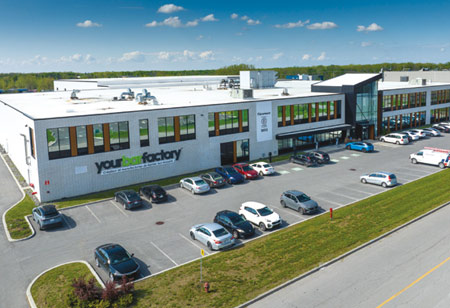
Yourbarfactory: Mastering the Art of Custom Bars
Yourbarfactory
Mastering the Art of Custom Bars
Martin Joyal, CEO
Global snack markets have evolved, and the demand for allergen-free, gluten-free, kosher, and peanut-free bars is at an all-time high. Many manufacturers and retailers want to enter this market but struggle to meet the strict dietary standards these products require. The investment is significant, and mastering both the process and the formulation of a great-tasting recipe is easier said than done.

The Science and Strategy Behind Canada's Next-Gen Allergen-Free Bars

The Canadian snack food market is changing significantly due to increased public health awareness, demographic changes, and evolving consumer preferences. Previously, allergen-free products were often seen as a compromise, offering safety but limited appeal. Now, allergen-free options have become a key source of innovation, raising standards for texture, flavor, and nutrition throughout the snack bar industry.

Choosing an Allergen-Free Bar Manufacturing Partner

Nutrition bar executives now face a manufacturing problem that sits between consumer trust, retailer economics and product variety. Allergen-free bars cannot be treated as ordinary snack formats with a claim added near the end of development. A nut-free, peanut-free, gluten-free or vegan promise affects ingredient admission, line discipline, recipe design, packaging claims and retailer confidence. Buyers therefore need a manufacturing partner that can turn a brand idea into a safe, saleable product without forcing it into a rigid production model.

Implementing Technological Advancements in Food Industry
Bento Sushi
Implementing Technological Advancements in Food Industry
Kitty Pat, Director of Quality Assurance

The Public Health Agency of Canada estimates that each year, 1 in 8 or 4 million Canadians are sickened by foodborne illnesses (12.5% of Canada’s overall population), with approximately 11 500 hospitalizations, and 240 deaths. The economic burden of foodborne illness outbreaks on any food company/brand can be quite devastating; this is due to lawsuits, fines, legal fees, investigations, retraining costs, and lost revenues. Companies within the food industry all process, use, and sell food in diverse ways; however, food safety compliance issues remain the same throughout. Examples of these common denominators include but are not limited to, unsafe food holding, improper cooking / reheating temperatures, unsafe food handling, improper sanitation, and lack of trained employees. An increasing number of companies around the globe today are investing in technology advancements to bridge the gap with most, if not all, aforementioned challenges in the food industry. Investments in technology can be quite costly at first, but the Return on Investment (ROI) will eventually outweigh its cost for all the advantages it brings to the table.

Allergen Free Bars Manufacturer FAQ

Q1
What Do Allergen-Free Bars Manufacturing Companies Produce?
Allergen-free snack bar manufacturers develop and produce bars designed to avoid common allergens such as peanuts, tree nuts, gluten, soy or dairy. Top Allergen-Free Bars Manufacturing Companies often create protein bars, granola bars, energy bars, fruit bars and functional snack products for private-label brands, retailers and wellness companies. Many facilities also support custom recipe development to match nutritional trends and dietary requirements. Manufacturers in this category usually maintain strict ingredient controls and dedicated production environments to reduce contamination risks. Top Allergen-Free Bars Manufacturing Companies are increasingly important for schools, sports nutrition brands and health-focused food businesses that require safer snack alternatives for consumers with food sensitivities.
Q2
Why Is the Allergen-Free Snack Bar Market Expanding?
Consumer awareness around food allergies and specialized diets has expanded significantly over the last decade. Top Allergen-Free Bars Manufacturing Companies are benefiting from demand for clean-label, gluten-free, vegan and allergen-conscious snack products across North America, Europe and Asia. Growth in sports nutrition, wellness snacks and convenient meal replacements has also contributed to market expansion. Many brands prefer working with Allergen-Free Bars Manufacturing companies because building certified allergen-free production facilities internally requires major investments in quality control systems, certifications and operational compliance.
Q3
What Certifications Matter in Allergen-Free Bars Manufacturing?
Food safety certifications play a major role when evaluating manufacturing partners in this industry. Top Allergen-Free Bars Manufacturing Companies often maintain certifications such as BRC, gluten-free verification, kosher, halal and allergen-control programs to demonstrate compliance with strict food safety standards. Many buyers also assess manufacturing traceability, supplier screening and third-party auditing procedures before selecting a production partner. Allergen-Free Bars Manufacturing providers that operate dedicated nut-free or peanut-free facilities are often preferred because they help reduce contamination concerns and improve consumer confidence.
Q4
How Do Allergen-Free Bars Manufacturing Services Support Private Labels?
Private-label snack brands frequently rely on external manufacturing specialists to accelerate product launches and scale production efficiently. Top Allergen-Free Bars Manufacturing Companies often provide recipe formulation, ingredient sourcing, packaging support and commercial-scale production under confidential partnerships. These manufacturing services allow brands to focus on marketing and distribution while experienced food production teams manage operational requirements. Many Allergen-Free Bars Manufacturing solutions also support specialized formulations including vegan, organic, ketogenic and high-protein products tailored to evolving consumer preferences.
Q5
What Technology and Production Capabilities Are Important in This Industry?
Modern food manufacturing depends heavily on automation, quality monitoring and flexible production systems. Top Allergen-Free Bars Manufacturing Companies often invest in automated production lines, digitalized operations and scalable facilities capable of handling both startup-level runs and large retail volumes. Production flexibility matters because snack brands may require seasonal formulations, rapid product development or varying packaging formats. Allergen-Free Bars Manufacturing providers with advanced production infrastructure can often reduce turnaround times while maintaining strict hygiene standards and consistent product quality.
Q6
How Do Companies Choose the Right Allergen-Free Bar Manufacturing Partner?
Choosing a manufacturing partner typically involves evaluating food safety expertise, formulation capabilities, production scale and responsiveness. Top Allergen-Free Bars Manufacturing Companies are usually selected based on their ability to balance innovation, compliance and manufacturing reliability. Many buyers also review minimum order quantities, research and development support, export capabilities and ingredient sourcing practices. Since allergen-related recalls can create serious financial and reputational risks, companies often prioritize manufacturers with strong quality assurance systems and established regulatory experience.