
Food Business Review

Food Facilities Design Services

Food Facilities Design Services firms plan and develop commercial food production, processing, storage, and foodservice environments. Their expertise includes facility layout design, workflow optimization, sanitation planning, equipment integration, regulatory compliance, and operational efficiency, helping food manufacturers, restaurants, and processing plants create safe, scalable, and high-performing food operation infrastructures.

Jedrziewski Designs: Innovating Spaces from Mountains to Metros
Jedrziewski Designs
Jedrziewski Designs: Innovating Spaces from Mountains to Metros
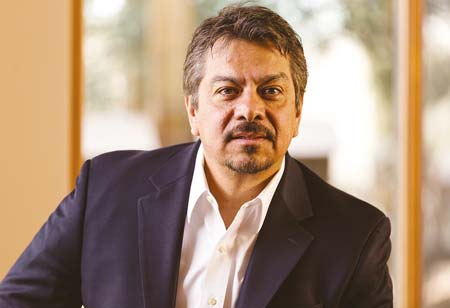
Ric Jedrziewski, Owner and Principal
Ric Jedrziewski’s journey in interior design is as layered as the spaces he creates. Starting out as a principal designer, he developed deep design expertise that would later shape the foundation of his own firm, Jedrziewski Designs. His designs, on the other hand, skillfully combine aesthetics and practicality to create environments that function intuitively for habitants and users.

Whether designing luxury lodges or cutting-edge culinary campuses, Jedrziewski choreographs every space with precision, reimagining mountain resorts across North America into breathtaking, high-functioning environments. Among his most iconic projects are Big Sky Resort, Stein Eriksen Lodge, and Snowbird Resort—destinations renowned for their sophisticated interiors and world-class culinary facilities.

More than just beautiful ski resorts, these projects reflect Jedrziewski’s commitment to leading a firm that designs innovative spaces. His vision to create complex interiors and food facility designs brought life to spaces that support both front and back-of-house operations. He propelled his company forward with this vision, redefining true luxury in how a space functions, welcomes and delights across resorts, hotels, campuses and culinary schools.

“We are more than just a food service design provider. Our firm spans a broad spectrum of spaces that require re-imagination and development,” says Jedrziewski. “We bring the knowledge of hundreds of interiors to each new project, so our clients don’t have to start from scratch.”

The Strategic Role of Design in Food Manufacturing

Food facility design is evolving through advancements in technology, safety, and sustainability, thereby enhancing operational efficiency and adaptability to meet the growing demands of consumers.

Food facility design services are being transformed by rapid technological advancements, evolving consumer demands, and a growing emphasis on safety, efficiency, and environmental sustainability. The role of technology is indispensable in crafting the physical environments where food is manufactured, processed, stored, and distributed, directly influencing everything from product integrity to operational agility and market responsiveness.

At its core, food facilities design is a discipline that bridges advanced engineering with meticulous architectural planning, ensuring that every square foot of a facility contributes to a safe, hygienic, and productive food supply chain. Design professionals in this sector are adept at translating complex operational workflows and stringent regulatory requirements into tangible designs, creating spaces that are not only fit for purpose but also future-ready.

Technological Integration and Operational Efficiency

One of the most defining characteristics of the current industry state is the pervasive integration of advanced automation and digital technologies. This extends beyond simple mechanization to include sophisticated robotic systems for material handling and processing, as well as IoT sensors for real-time monitoring of environmental conditions and equipment performance. Additionally, it incorporates AI-driven analytics for predictive maintenance and optimized production schedules. Facilities are now being designed to seamlessly accommodate these interconnected systems, often requiring more flexible layouts, enhanced utility infrastructure, and dedicated zones for data collection and analysis. The rise of automation also influences ergonomic considerations, as designers increasingly focus on creating environments that support human-robot collaboration and provide improved amenities for a highly skilled workforce.

Prioritizing Safety, Hygiene, and Sustainability

The unwavering commitment to sanitary design principles remains a foundational pillar in food facilities design. Modern food facilities are engineered with a proactive approach to contamination prevention, often featuring distinct separation of raw and cooked product flows, strategically placed handwashing and sanitization stations, and careful selection of construction materials. Non-porous, easily cleanable surfaces like stainless steel for processing equipment and specialized resinous flooring are standard, designed to minimize harborage points for bacteria and facilitate effective cleaning and disinfection. Air quality management is another critical aspect, with advanced HVAC systems that control temperature, humidity, and air pressurization to create controlled environments that inhibit microbial growth and airborne particulate contamination. The meticulous planning of drainage systems to prevent pooling and ensure rapid removal of wastewater is also a key design consideration.

Sustainability has emerged as a crucial guiding principle in contemporary food facility design. Beyond mere compliance, there is a strong emphasis on minimizing the environmental footprint across the entire facility lifecycle. This encompasses the selection of energy-efficient equipment, such as high-efficiency refrigeration and LED lighting, as well as the integration of renewable energy sources, including solar panels. Water conservation strategies, including advanced water recycling and reuse systems, are becoming more common. Waste reduction initiatives, from optimized material flow to sophisticated waste sorting and composting systems, are integral to modern designs. Furthermore, designers are exploring the use of sustainable building materials, local sourcing of construction components, and even designing facilities that support urban or peri-urban agriculture to reduce transportation emissions and promote the use of fresh, local produce. This holistic approach to sustainability is influencing every design decision, from site selection to landscaping.

Adapting to Evolving Demands

In an era of rapidly shifting consumer preferences and market demands, food facilities must possess the agility to reconfigure and scale operations with ease. This has fueled interest in modular design concepts, where processing lines, equipment, or even entire sections of a facility can be quickly modified, expanded, or repurposed to accommodate new product lines, packaging formats, or production volumes. The design of open, configurable spaces with movable partitions and easily accessible utility connections facilitates this adaptability, minimizing downtime and capital expenditure associated with future modifications. This foresight in design allows facilities to remain competitive and responsive to an ever-evolving food landscape.

Beyond the physical structure, modern food facility design services encompass a comprehensive understanding of the entire operational flow. This includes meticulous planning of material reception, storage, processing, packaging, and dispatch, ensuring seamless movement of ingredients and finished products while minimizing cross-contamination risks and optimizing efficiency. The strategic placement of workstations, automated systems, and storage areas is critical for maximizing throughput and reducing manual handling. The design encompasses intangible aspects, such as lighting quality, noise reduction, and ergonomic workstation design, all of which contribute to a more productive, safe, and comfortable working environment for personnel.

The integration of data-driven design approaches is becoming more prevalent. Building Information Modeling (BIM) enables comprehensive digital representations of facilities, allowing for improved visualization, clash detection, and lifecycle management. Predictive analytics, powered by data from operational systems, informs design decisions related to equipment sizing, layout optimization, and energy consumption. This data-centric approach enhances the precision and foresight of design services, leading to more efficient and robust facilities.

The food facilities design services industry is at the forefront of shaping the future of food production. It is characterized by a relentless pursuit of operational excellence, an unwavering commitment to food safety and hygiene, a proactive approach to environmental sustainability, and an acute awareness of the need for flexibility and adaptability. The continuous integration of cutting-edge technologies, coupled with a deep understanding of process flows and regulatory requirements, defines this dynamic sector, ultimately supporting a more efficient, safe, and resilient global food supply chain.

Food Facilities Design Services FAQ

Q1
What Do Food Facilities Design Firms Do?
Food facilities design firms plan and develop commercial food production and preparation environments for restaurants, institutional kitchens, food manufacturing plants and hospitality operations. Top Food Facilities Design Services commonly include kitchen layout planning, workflow optimization, equipment specification and infrastructure coordination for efficient food operations. Many firms also support food safety compliance, ventilation planning and utility integration to help facilities meet operational and regulatory requirements.
Q2
What Services Are Included in Food Facility Design Projects?
The category includes commercial kitchen design, production-line planning, storage optimization and food-service facility engineering. Top Food Facilities Design Services often provide space planning, equipment integration, sanitation-focused layouts and project coordination for restaurants, commissaries, bakeries and institutional dining facilities. Some firms specialize in hospitality and restaurant environments, while others focus on industrial food processing plants or cloud kitchen facilities. Design services may also include CAD modeling, compliance documentation and construction-phase consultation for large-scale food operations.
Q3
Why Is Demand Growing for Food Facilities Design Services?
Food-service operators and manufacturers continue investing in efficient, technology-driven production environments to improve productivity and adapt to changing consumer demand. Demand for Top Food Facilities Design Services is increasing because restaurants, cloud kitchens and food manufacturers require layouts that support automation, faster workflows and food safety compliance. Industry trends also show rising adoption of modular kitchen systems, smart equipment integration and energy-efficient facility designs across hospitality and commercial food-service sectors. Growth in ghost kitchens, delivery-focused operations and multi-concept dining environments has further expanded demand for specialized facility planning expertise.
Q4
How Are Leading Food Facility Design Firms Evaluated?
Restaurant operators, hospitality groups and food manufacturers often evaluate design firms based on operational expertise, workflow planning and regulatory knowledge. Top Food Facilities Design Services are commonly assessed through kitchen efficiency, sanitation-focused layouts and the ability to optimize labor movement and equipment placement. Buyers also review project management capabilities, experience with food safety compliance and whether firms can support scalable operations across multiple facility types. Strong collaboration with architects, engineers and equipment suppliers can significantly influence successful project execution.
Q5
What Value Do Food Facilities Design Services Deliver?
Well-designed food facilities improve operational efficiency, reduce bottlenecks and support safer working environments. Top Food Facilities Design Services help businesses improve kitchen flow, optimize storage and reduce unnecessary movement across food preparation and service areas. Efficient facility planning can also improve food quality consistency, reduce labor strain and support compliance with sanitation and safety standards. For restaurants, institutional kitchens and food manufacturers, strategic facility design contributes to stronger long-term operational performance and scalability.
Q6
How Are Technology and Innovation Influencing Food Facility Design?
Technology is reshaping how food facilities are designed and managed. Top Food Facilities Design Services increasingly integrate IoT-enabled equipment, automation systems and smart monitoring technologies into commercial kitchens and food production spaces. Many firms now focus on modular layouts, energy-efficient systems and digital workflow planning tools that improve operational flexibility and long-term scalability. Innovation in robotic kitchen systems, AI-supported monitoring and connected food-service infrastructure is expected to play a larger role in future commercial food facility development.