
Thank you for Subscribing to Food Business Review Weekly Brief


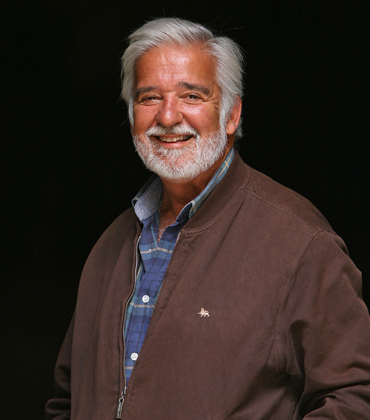 José Neiva Correia, Owner, President and Chief Winemaker
With 99.8 per cent of its production exported to more than 50 destinations, DFJ Vinhos has built its business around understanding what wine buyers need in different markets. The Portuguese producer works closely with importers to develop wines that suit local tastes and target prices, from assessing competing products to refining blends and packaging. Sometimes the answer is an existing wine. In other cases, it means creating a tailored offering, with proposals prepared in just a few days.
Founded in 1998, the family-owned company pairs this market-led approach with a commitment to sustainability. Its 250 hectares of certified vineyards are cultivated without irrigation, while soil analysis, wastewater testing and resource-conscious production practices inform decisions across its operations. For DFJ Vinhos, responsible resource use and commercial viability go hand in hand.
“If a business is not sustainable, it is not a business, it is a problem,” says José Neiva Correia, owner, president and chief winemaker.
Building Sustainability into the Vineyard
DFJ Vinhos’ approach begins with understanding the land. Its 250 hectares of vineyards are certified under Integrated Production and cultivated without irrigation. The company plans cultivation around each site’s conditions, making water conservation a central part of its vineyard management.
Field teams collect soil samples and analyse them to identify nutrient deficiencies or excesses. They also collect and test wastewater as part of the company’s resource-management practices. Before planting or replanting, the team studies the terrain and terroir, then selects grape varieties according to the land’s characteristics and the yields it expects to achieve.
 Nutrient management follows the same site-specific principle. Organic manure is applied according to the needs of each grape variety and plot, with application rates tailored to local conditions. DFJ Vinhos views its vines as high-performance athletes that require attention to their individual conditions to perform well. The company believes this approach helps vines withstand disease and extreme weather fluctuations while supporting grape quality.
Water management continues at the winery, where wastewater is treated and tested. Together with irrigation-free cultivation, these measures reflect the company’s attention to water use throughout production. Soil analysis and targeted nutrient application also help the team tailor its decisions and inputs to the conditions of each plot.
These practices also give importers a way to communicate the responsible production behind the wines they offer. Irrigation-free cultivation, in particular, is an important point of differentiation for DFJ Vinhos and one that its international partners recognise. Combining careful vineyard management with an understanding of buyer expectations, the company makes sustainability part of the value it brings to its partners.
Making Sustainability Work Commercially
DFJ Vinhos incorporates sustainability into its winery operations through solar energy, lightweight glass bottles and recycled or recyclable materials. When developing wines for export markets, the company considers packaging alongside the buyer’s requirements, selecting formats that protect the wine during transport and appeal to local consumers while keeping the product’s presentation and target price in mind.
 The family also manages forests for timber production, reflecting its long-standing involvement in agriculture and natural resource management. DFJ Vinhos reports a near-zero carbon footprint. Workplace practices and business ethics also form part of its approach to responsible operations.
Production credentials help the company meet buyers’ varying requirements. Its certifications include Integrated Production, Sustainability Certification and BRCGS AA+, and its portfolio includes vegan-certified wines. Together, they demonstrate its standards in vineyard management and production.
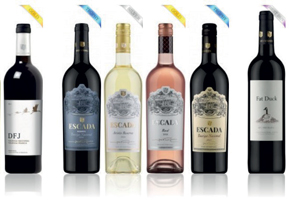
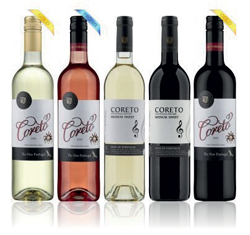
Commercial viability remains equally important. DFJ Vinhos offers more than 80 wine references across 28 brands, covering dry, semi-dry, semi-sweet and sweet styles. The portfolio also includes wines with different alcohol levels and products fermented or aged in French oak. Such range gives the company a starting point for responding to different consumer preferences without assuming that every market needs a completely new product.
For Correia, achieving the right balance between wine quality, presentation and price is essential to developing a commercially viable product. DFJ Vinhos continues refining each proposal until it meets the requirements of its partner and the market being served. The result may be a recommendation from the existing portfolio or a tailored wine developed around a specific market opportunity.
Tailoring Wines to International Buyers
Before recommending a wine, DFJ Vinhos studies the target market and the importer’s business needs. Its team may sample competing wines, compare their flavours and presentation and agree on a target ex-works price. Understanding what already sells in the market and the price point the buyer needs helps the company decide whether an existing wine will fit or a tailored blend is the better choice.
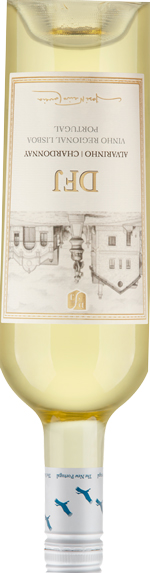 A customised project can involve changes to the wine blend, branding, label design and packaging, with pricing tailored to the buyer’s requirements. DFJ Vinhos works closely with each partner to develop an offering that fits local tastes and the importer’s business model.
Norway offers a clear example of this approach. When a tender called for a specific red wine profile, DFJ Vinhos worked with its long-standing local agent to develop a blend that met the brief. The team paired it with a classic, premium-looking label and a lightweight glass bottle shaped like a truncated cone. A screw cap completed the format, aligning the packaging with the product and the market’s requirements.
According to the company, the wine was Norway’s top-selling red wine for years. The project brought together the wine profile, the presentation and a local partner’s input to meet a specific market brief, showing how DFJ Vinhos adapts its offering to the requirements of an individual buyer.
Poland presented a different challenge. DFJ Vinhos initially focused on dry wines but recognised that local consumers preferred wines with higher residual sugar. It adjusted its offering and branding accordingly. The company reports that its Portada brand became the second-best-selling wine brand in Poland and leads several categories.
In the United States, DFJ Vinhos worked with an importer whose sales strategy depended heavily on ratings from specialist wine publications. The company developed wines suited to the importer’s target consumers and incorporated award recognition into labels and packaging. According to DFJ Vinhos, more than 16 of its wines appeared on Top 100 Best Buys lists, supporting the importer’s efforts to reach its intended customers.
The company also works closely with a UK partner who visits every December to review wines and take part in blending decisions in the cellar. The partnership brings the buyer directly into the winemaking process, creating an opportunity to refine blends through collaboration and first-hand market experience.
DFJ Vinhos’ involvement does not end when a wine reaches the market. Its commercial team continues to work with importers, monitoring changes in consumer preferences and product performance. Drawing on its experience across international markets, the company can recommend adjustments to wine profiles, presentation and positioning as partners respond to changing needs. The relationship goes past supplying wine to helping importers identify opportunities and develop portfolios that remain commercially relevant.
A Family Business with a Long View
DFJ Vinhos began in 1998 without owning vineyards, buying grapes from growers to supply its winemaking business. Over time, it developed its own production capabilities and incorporated a century-old family agricultural company that had previously been one of its suppliers. The transition brought together a growing wine producer and a longer history of agricultural activity.
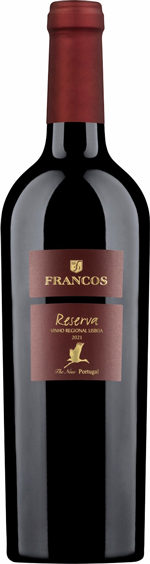 The family business had supplied grapes and bulk wine, while its wider activities included forest management. DFJ Vinhos has since invested in modernising its buildings and wineries and restructuring its vineyards. José Neiva Correia represents the fifth generation of a family that has consistently been at the forefront of viticultural, agricultural and forest production. By incorporating that family’s business into DFJ VINHOS, he has brought added value to this legacy within the company’s current activities.
Financial independence is another part of Correia’s approach to sustainability. According to the company, DFJ Vinhos operates without external debt or bank exposure, which helps it maintain control over its business and plan for the future. Alongside environmental responsibility and commercial viability, the company sees financial stability as essential to keeping the business healthy over time. Its approach covers not only decisions about vineyard management and packaging but also the ability to sustain its operations for years to come.
Recognition Through Quality and Value
Since 2010, DFJ Vinhos has collected more than 6908 awards, according to the company. The momentum has carried into recent years, with the producer ranked the world’s second-most-awarded wine company in 2024 and third in 2025, while its Escada Reserva was named the most-awarded wine of 2024.
DFJ Vinhos takes a targeted approach to wine competitions, choosing those that matter to its buyers and the markets it serves. Awards and ratings give importers a useful way to communicate a wine’s appeal, particularly in markets where consumers rely on recognition from wine publications to guide their purchasing decisions.
From its beginnings as a grape buyer, DFJ Vinhos has grown into an international producer built around production expertise and close relationships with importers. Its market-specific development process allows it to respond to different consumer preferences, while its vineyard and production practices keep resource management part of its business decisions.
DFJ Vinhos’ recognition as the Top Sustainable Portuguese Wine Producer in Europe 2026 acknowledges this combination of responsible resource use and customer-led winemaking. Its ambition is to create wines that people enjoy sharing while building lasting partnerships with the businesses that bring them to market.
What Wine Importers Should Verify Beyond Sustainability Claims
Certificates are easy to collect. A Portuguese producer can have a wall of them and still send a wine that costs too much for the shelf you had in mind, or tastes nothing like what your customers reach for.
Sustainability does not pay the freight. What turns a promising producer into a supplier worth keeping is duller than any certificate, which is how the vines are farmed, what the wine costs to make and whether anyone will touch the blend when a market asks.
Start in the vineyard. Who takes the soil samples, and how often? Where does the wastewater end up? Who walks a block and decides the vines need feeding?
Sampling catches a shortage while there is still a season left to put right. Irrigation and fertiliser are where an environmental policy either shows up or stays filed.
Farming one way across a whole estate sounds efficient and rarely is. Varieties react differently to the same soil and the same wet spring, and a hillside block has little in common with the flat ground below. Producers who walk each plot separately can feed each plot what those vines want and plant what the ground will carry.
Buying at three price points, the question is whether that care turns into consistent fruit, and whether paying for that care leaves the shelf price intact.
Then the wine crosses a border and the rules change. Sweetness, alcohol and flavour preferences shift country by country. The supermarket buyer wants something the restaurant wholesaler will not touch, and a wine that walks off the shelf in one market can sit untouched in the next.
“DFJ Vinhos combines vineyard monitoring and certified production practices with wine development tailored to the commercial requirements of individual export markets.”
The producers worth dealing with taste what they are up against, look at the shelf you are aiming for and build backwards from the price that shelf carries. Ex-works cost, volume and the distributor’s cut belong in the first conversation, not the fifth.
Packaging starts a separate argument. Bottle weight sets the glass bill and the freight bill both, while the closure and the label decide whether a market takes the wine seriously at all.
Lighter is greener until a shopper picks up a premium bottle and finds nothing in the hand. Less glass is worth having. Looking like the price on the label is worth more. A producer who will move on specification gives you somewhere to meet in the middle.
Food safety certification is harder ground to fudge. The right audit credential clears the paperwork an international retailer puts in the way, and without that credential a wine may never reach a shelf to be judged on.
“Producers worth dealing with taste what they are up against, look at the shelf you are aiming for and build backwards from the price that shelf carries.”
Check what a producer actually holds, though. Held and nearly held sound identical in a sales meeting. The same applies to the green claims, where vineyard practice, packaging and a carbon number are three separate arguments and each needs proving separately.
DFJ Vinhos combines vineyard monitoring and certified production practices with wine development tailored to the commercial requirements of individual export markets. Field teams test the soil and the wastewater, and what gets planted and fed depends on the variety and the yield each plot is expected to give. The company holds Integrated Production, Sustainability and BRCGS certifications and makes Vegan-certified wines. A proposal starts where a proposal should, with competitor samples and a target ex-works price, then draws on the existing range or builds something new, private label included. Some 99.8 per cent of production leaves Portugal for 50 destinations, which makes reshaping the wine and the packaging for a market ordinary work rather than a favour. For importers who need the paperwork alongside a wine built to a specific price and channel, DFJ is a sensible call.
...Read more
Sustainable Portuguese Wine Producers in Europe Info
Q1
What Defines Sustainable Portuguese Wine Producers in Europe?
Sustainable Portuguese Wine Producers in Europe focus on making quality wines while managing natural resources responsibly. Their practices may include careful soil management, water conservation, reduced chemical inputs and recyclable packaging. Sustainability also involves protecting agricultural productivity and maintaining financially viable operations. Many producers follow certification programs that assess environmental and production standards. These measures help wineries demonstrate responsible practices while meeting the expectations of importers, retailers and consumers who want greater transparency about how their wines are produced.
Q2
How Does DFJ Vinhos Practice Sustainable Vineyard Management?
DFJ Vinhos stands among Sustainable Portuguese Wine Producers in Europe through its approach to cultivating 250 hectares of certified vineyards without irrigation. Led by owner and chief winemaker José Neiva Correia, the company studies soil conditions and nutrient requirements before applying organic manure. Its teams also test wastewater and select grape varieties according to each plot's characteristics. These practices help the winery manage resources carefully while maintaining grape quality. The company has held Integrated Production certification since 2018.
Q3
Why Is Water Conservation Important in Sustainable Winemaking?
Water is essential to growing grapes and producing wine, making its careful use an important part of sustainable winemaking. Sustainable Portuguese Wine Producers in Europe are finding ways to reduce water consumption, especially in regions where dry conditions put pressure on local supplies. Some vineyards grow grapes without irrigation by choosing varieties suited to the climate and adapting their farming practices. Water conservation also extends to the winery, where cleaning equipment and maintaining hygiene require significant amounts of water. By monitoring usage and treating wastewater, producers can reduce waste, protect local water resources and maintain the quality and safety of their wines.
Q4
What Should Wine Importers Consider When Choosing a Sustainable Producer?
Importers evaluating Sustainable Portuguese Wine Producers in Europe should look beyond environmental claims and examine actual production practices. Relevant considerations include vineyard certification, water management, packaging materials and food safety standards. Buyers should also assess wine quality, pricing, production capacity and the ability to meet local consumer preferences. A sustainable producer must remain commercially reliable. Clear documentation, consistent communication and flexibility in blending or packaging can help importers build lasting relationships with wineries serving international markets.
Q5
How Does DFJ Vinhos Combine Sustainability with International Market Requirements?
DFJ Vinhos demonstrates how Sustainable Portuguese Wine Producers in Europe can combine responsible production with commercial flexibility. The company offers more than 80 wine references across 28 brands and exports 99.8 percent of its production to over 50 destinations. It works with importers to adjust blends, labels and packaging for local preferences. Its sustainability practices include solar energy, lightweight bottles and recyclable materials. The winery also holds Sustainability Certification and BRCGS AA+ quality certification, supporting its international operations.
Q6
How Can Sustainable Packaging Reduce the Environmental Impact of Wine Production?
Sustainable Portuguese Wine Producers in Europe can reduce packaging-related environmental impacts by reconsidering bottle weight and material selection. Lightweight glass requires less material and may reduce transportation-related emissions, depending on shipping conditions. Recycled cardboard and recyclable closures can also support responsible material use. Packaging must still protect the wine and meet market expectations. Producers therefore need to balance environmental considerations with product safety, presentation and distribution requirements. Regular assessments help wineries identify practical improvements across their packaging operations.
Company :
DFJ Vinhos
Management José Neiva Correia, Owner, President and Chief Winemaker
Description
DFJ Vinhos combines responsible vineyard management, resource conservation and sustainable production with a commitment to quality and value. Serving more than 50 international markets, the Portuguese wine producer tailors its portfolio to customer preferences while keeping sustainability central to its growth.