

Thank you for Subscribing to Food Business Review Weekly Brief
Mariana Galvao, founder of Vero Latte, has always looked at dessert as more than the last course of a meal. To her, it is a feeling people carry with them — the softness of a pause, the comfort of something made with care, the memory of a flavor that arrives at the right moment. But she often says, “Indulgence and well-being do not have to sit on opposite sides of the table.” Dessert, in her view, can remain pleasurable, generous and memorable while reflecting the way people want to live now, with more balance, cleaner ingredients and a deeper sense of intention. What belief shaped the foundation of Vero Latte’s dessert philosophy? This belief became the heart of Vero Latte. Rooted in Italian gelato technique and shaped by Brazilian warmth, the brand treats gelato almost like a sensory language. “It isn’t only about taste. It is about how people feel, what they see and how the moment is remembered,” says Galvao. That thinking explains why Vero Latte can move so naturally from a one-bite bonbon served with coffee to a shared Mother’s Day gelato, from fruit-based creations used in cocktails to custom flavors developed for luxury brands. Each product is built for a moment. Each one carries the same idea that dessert should not just satisfy; it should stay with people. Where Process Protects Quality How does Vero Latte’s production process protect texture and ingredient balance? Behind Vero Latte’s softness and emotion is a disciplined production process. Every recipe is treated as a composition, with texture, flavor and ingredient balance developed carefully under the supervision of a food engineer. That structure gives the brand consistency without taking away the artisanal feel Mariana wants each product to carry. One of the clearest examples is what Vero Latte chooses not to do. The brand does not add aeration to increase volume. Without added air, the gelato becomes denser and creamier, allowing the flavor to come through with greater clarity. It also avoids unnecessary additives and protects the natural structure of each ingredient, keeping the product clean, balanced and expressive. It is a technical decision, yes, but also a philosophical one. For Galvao, luxury is not always about adding more. Sometimes it is about having the confidence to remove what is unnecessary. “Luxury is not only what is added, but also what has the courage to be removed,” she says. That same thinking guides the ingredient choices. Cocoa is selected for refined bitterness. Fresh fruits bring authenticity and brightness. Unnecessary additives are left out so the natural structure of each ingredient can remain intact. New flavors are introduced only when they meet the brand’s standards for balance, nutrition and sensory value. The result is gelato that feels refined without becoming distant, carrying the warmth and human touch that define Vero Latte. The Brazilian identity of the brand comes through most clearly in the use of brigadeiro, the traditional chocolate dessert that appears as a filling in many creations. It adds surprise to the bite, but it also gives the gelato a sense of place. Italian technique gives the product its structure. Brazilian memory gives it warmth. New Flavors, Same Discipline Why does each new Vero Latte product need to earn its place? Vero Latte continues to create new flavors, but novelty is not treated as a reason by itself. A new product has to earn its place in the portfolio. It must fit the brand’s standards for clean ingredients, balanced nutrition and sensory value. That discipline matters because consumer expectations have changed. People are more aware of what they eat, but they do not necessarily want dessert to become clinical or joyless. Vero Latte responds to that shift by keeping pleasure in the experience while making the formulation more conscious. Vero Balance reflects that thinking. Built around plant-based flavors with no sugar added, the line brings Mariana’s idea of mindful indulgence into a clear product form. It shows that well-being does not have to reduce the pleasure of dessert. When handled carefully, it can deepen it. Galvao’s own life has also shaped the brand’s development. After living in Singapore for five years, she was exposed to different cultures, ingredients and ways of eating. Those influences still inform her creative process, but they are filtered through Vero Latte’s identity rather than copied directly. “We are always inspired by global gastronomy and fashion trends,” says Galvao. “But we filter these influences to keep our brand identity. Each idea has to feel authentic to the brand.” That balance gives the brand room to evolve without losing itself. Vero Latte can respond to global trends, wellness expectations and new customer occasions, but the product still has to feel unmistakably connected to Mariana’s original idea. Translating Brand Identity into Taste Vero Latte’s most distinctive work appears in its collaborations with fashion, beauty, jewelry and luxury retail brands. These projects are not simple co-branding exercises. They begin with something the partner brand already owns emotionally — a color, a fragrance, a collection, a family memory or a visual code — and Vero Latte turns that reference into flavor.
Supplement Manufacturing
Few ingredients have gone from agricultural waste to global health staple quite like whey. Once discarded, it now powers the billion-dollar fitness and nutrition industry. Behind this transformation are innovators who didn’t just see a byproduct—they saw potential. One of them is Sooro Renner, a company reshaping the functional dairy landscape through innovation, scale, and service. “Our growth has always been guided by precision, trust, and deep technical partnerships— starting from Brazil and now reaching the world,” says Claudio Hausen de Souza, Vice President of Commercial and Marketing. Today, Sooro Renner is the largest whey processor in Latin America by volume, with more than two decades of experience. It supplies high-quality ingredients for both human and animal nutrition and holds full export licensing to serve clients worldwide across a wide array of food and beverage sectors. Its product portfolio is designed for both performance and versatility. The company’s Whey Protein Isolate 90 percent delivers ultra-high protein content with less than one percent milk fat—ideal for use in nutritional supplements and high-protein dairy products. For broader application needs, its Whey Protein Concentrate 80 percent is available in regular, instant, and lactose-free forms, making it suitable for everything from protein shakes to ice creams and baked goods. The company also offers WPC 60 percent and WPC 34 percent, which provide excellent texture, solubility, and performance in dairy beverages, energy drinks, and processed foods. Sooro Renner’s whey powder—a blend of lactose, protein, and reduced mineral salts—adds rich dairy flavor and enhances the consistency of chocolates, processed meats, and more. In addition, it produces permeate, which is used in both food and feed formulations, ensuring every element of whey is optimized.

Canned Food and Beverages

As food corporations expand globally, decision-making often becomes more centralized, creating a natural distance from the fields where crops are cultivated. This distance can make it harder to maintain direct connections with the growers who sustain the land, and with them, the on-the-ground insight essential to long-term stewardship. Bridging this gap through closer collaboration with local communities and those who directly tend the crops can align operational efficiency with enduring social and environmental responsibility. Knouse Foods puts this philosophy into practice, reinstating ownership and stewardship with those who have the most intimate knowledge of the orchards. A leader in the production of branded and private-label fruit products, the company operates as a grower-owned cooperative representing more than 100 family farms across the Appalachian Valley. The livelihoods of these farmers’ depend on the long-term health of their land, creating a level of care and commitment that industrial suppliers struggle to match. “Our ownership model shapes everything we do from how the fruit is grown to how it reaches kitchens nationwide,” says Todd H. Michael, senior director of sales, food service division. “The direct connection provides our partners with consistent quality and a reliable supply of ingredients year after year.” That dedication is reflected in the company’s broad product lineup, delivering high-quality fruit products to consumers across the country. It includes applesauce, sliced apples, juice, cider, apple butter, and fruit fillings or toppings, all produced under the trusted Musselman’s and Lucky Leaf brands. The products align with modern menu expectations, offering clean-label options free from synthetic colors, artificial preservatives, high fructose corn syrup or genetically engineered ingredients. The clean-label approach is more than just a selling point. It’s a philosophy that threads through every product and partnership. This commitment supports a diverse range of foodservice needs, from schools and healthcare facilities to restaurants.
Dessert
For more than half a century, Polymer Packaging has been right there in the mix with America’s bakers. Founded as a family business in 1986, the company has grown alongside its clients, building relationships that now span generations. Some bakery partners have worked with Polymer Packaging for more than 35 years — adapting together through evolving ingredients, emerging trends, and even creative firsts. Partnering for Smarter Solutions Supporting these long-standing partnerships, Polymer Packaging provides manufacturing solutions that include converting and distributing flexible, protective, and food-safe packaging. To better serve its clients, the company has evolved into a full-service partner specializing in bakery bags for all types of baked goods — offering both printed and unprinted options, as well as wicketed bags for loaves, buns, bagels, muffins, and more. Expanding its reach beyond in-house manufacturing, Polymer Packaging partners with more than 50 strategic suppliers across the packaging industry — giving bakers access to the best materials, technologies, and converting options available today. Our portfolio spans low- to high-volume bags, multiple gusset styles, and square-bottom formats, as well as specialized films for every scale of operation. Most recently, we’ve added two major capabilities: short-run, high-quality digital printing — ideal for samples, prototypes, or production runs — with no plate costs and turnaround from artwork to finished bags in as little as two weeks; and advanced extended-shelf-life bag technology that can deliver 7–10 additional days of freshness. Together, these innovations help bakeries reduce waste, accelerate product testing, and bring better-quality baked goods to market with greater confidence. “Our mission is to help bakers get packaging right,” says Dan Wish, President of Polymer Packaging. “We share what we’ve learned and offer advice that’s practical and honest. At the end of the day, it’s about helping people work smarter.” Effective Packaging to Boost Sales In a competitive marketplace, packaging is more than a wrapper —it’s a silent salesperson. It creates the first impression that makes a shopper stop, look, and decide to take that loaf home. Polymer Packaging helps bakers strike the perfect balance between functionality and shelf appeal, combining high-quality materials with real-world insight into what drives consumer choice.

Food Ingredients

Is The Food Industry Inclusive?
Angelo Kawakami, Innovation Manager, Panco
Food Safety
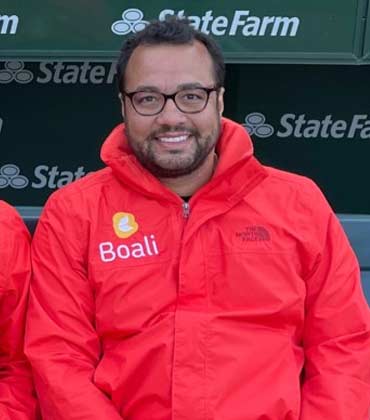
The Evolution of Boali: A Tale of Pioneering the Healthy Food Restaurant Industry and Entrepreneurial Excellence
Victor Giansante, Director Of International Development, Boali
F&B Supplier and Distributors
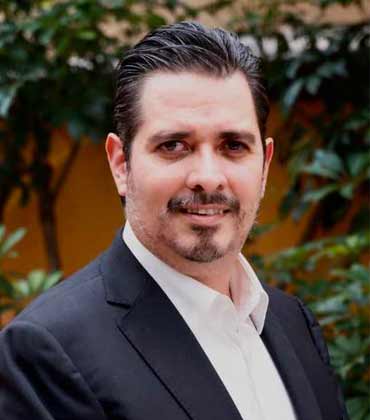
Driving Growth and Innovation in a Competitive F&B Market
Luis Rodrigo M., Marketing Director, Grupo Herdez
Food Processing and Packaging

The Power of Customer-centric Packaging Design
Nicholas Schuelke, Sr. Manager of Packaging R&D, Dawn Foods Global
Beer and wine

Shaping the Future of Food Through Innovation and Strategy
Michelle Wee, Food Trend Director, Global Strategy and Innovation, Ferrero
F&B Distributors

Procurement in Mercosur: From Tactical Function to Strategic Partner
Leticia Birriel, Head of Acquisitions for Logistics and Supplies area, Conaprole
Food Products

Build the Culture Before you Scale the System
Bryan Moscato, Sr. Director Of Manufacturing – Desserts, Rich Products Corporation
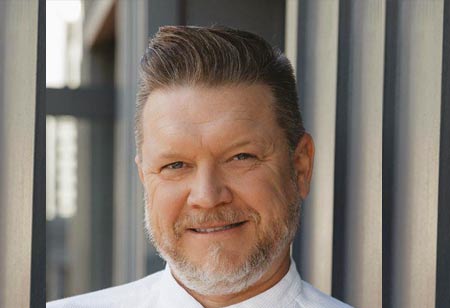
IN MY OPINION
Supplement Manufacturing
What High-Performing Kitchens Get Right that Equipment Can't Fix
Michael Vaughn, Corporate Executive Chef, Parable Hospitality

LAST WORD
Food Service Equipment
Visual Cravings and Rewarding Pleasures
Raya Sfeir, Marketing Manager, Restaurant Associates
IN FOCUS
Baking for a New Era: Latin America's Commitment to Quality and Innovation
Baking goods manufacturers improve production efficiency, food quality, sustainability, and product innovation to meet evolving consumer demand.
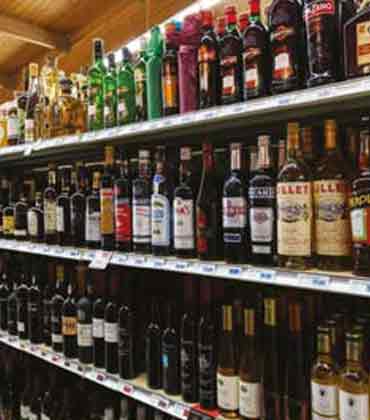
Strategic Innovations in Alcoholic Beverage Distribution in Latin America
Alcoholic beverage distributors reduce logistics and distribution costs, enable better demand forecasting, and expand market reach for brands.
EDITORIAL
Redefining Quality in Food Experiences
Quality now really stands out as a driver of trust and loyalty in food brands. People are way more careful about ingredients, where stuff comes from and the whole buying experience. Companies also have to manage different customer tastes while keeping things consistent, genuine and impactful. This edition of Food Business Review LATAM explores how brands meet these expectations.
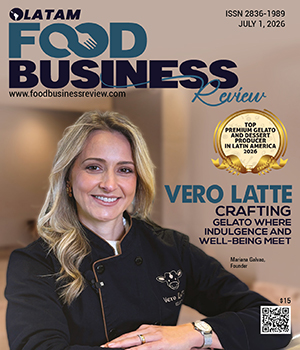
At the center of this issue, Vero Latte is recognized as the Top Premium Gelato and Dessert Producer in Latin America 2026. The company was built around a simple belief that indulgence and well-being do not have to exist at opposite ends of the spectrum. Drawing on Italian gelato traditions and Brazilian influences, Vero Latte creates products that balance flavor, craftsmanship and clean ingredients. Whether developing new formulations, creating seasonal offerings or collaborating with luxury brands, the company focuses on turning dessert into an experience people remember. Its commitment to quality, thoughtful formulation and sensory storytelling continues to distinguish the brand within the premium dessert market.
Beyond product development, the industry is also rethinking how people experience and access food. Angelo Kawakami, Innovation Manager at Panco, shares how accessibility barriers still affect consumers and how technology can make food information easier for everyone to understand. Michael Vaughn, Corporate Executive Chef at Parable Hospitality, explains why strong kitchen culture, open communication and consistent execution often have a greater impact than the newest equipment.
Together, these perspectives reflect an industry that continues to evolve around people, experience and purpose. We invite readers to explore the insights and perspectives presented throughout this edition.
