

Thank you for Subscribing to Food Business Review Weekly Brief

The Republic of Tea
Amanda Bockhorn, Minister of Quality Assurance (Director of Quality)
Empowering People to Build Quality
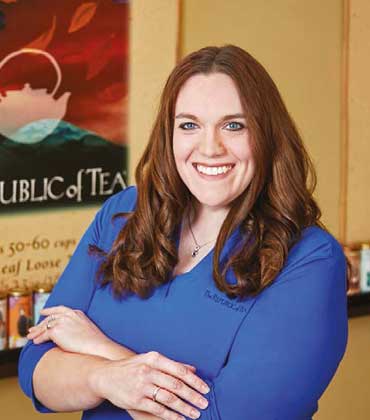
Amanda Bockhorn
Building a Culture of Quality
One of the biggest principles that has shaped my leadership style is accountability paired with collaboration. Quality isn’t just the responsibility of the Quality department – Quality is built into every step of the process. From sourcing and manufacturing to shipping and customer experience, each process speaks for the Quality instilled within. Over the last 17 years in the industry, I’ve learned that the strongest quality cultures are created when teams feel empowered to speak up, challenge processes, and continuously improve, following a “See it, Say it” way that stems from the top management down. I also believe consistency comes from leading with integrity. At The Republic of Tea, enriching our Citizens’ experience with tea is our priority. We refer to our customers as Citizens. We place high value on their trust in our premium teas and herbs. That responsibility motivates every decision we make. Meeting Evolving Consumer Expectations Consumers today are much more wellness-focused and intentional about the products they choose. The everyday consumer is now looking beyond the traditional Nutrition Facts Panel and paying closer attention to ingredient quality, simplicity, functionality, and how products fit into their overall lifestyle and health goals. They also want healthy foods and beverages to taste delicious. As a full-time working mom of a busy pre-teen, I too, gravitate towards products that not only taste good, but also support my overall wellness goals, including sleep, energy, focus, and overall long-term well-being. At the same time, consumers are becoming more selfeducated about ingredients and product claims. They are seeking products with recognizable ingredients, sourcing with a story and benefits they can understand. This shift challenges our Team at The Republic of Tea to focus on authenticity and deliver premium teas and herbs that meet evolving wellness expectations rather than marketing trends. Consistent quality systems and reliable products are key to building consumer confidence and earning loyalty for life. Quality Begins with People One of the most valuable lessons I have learned is that quality assurance is ultimately about people. You can have excellent systems and procedures in place, but success depends on building a culture where employees understand why quality matters and feel personally connected to it. Early in my career, I focused heavily on perfecting the processes and surrounded those by documentation. After all, with the proper processes in place, anyone should be able to complete a task. But over time, I realized the greatest impact comes from communication, mentorship, and creating alignment across teams. When people understand the purpose behind the standards, they become true partners in uplifting the brand. Balancing Innovation with Compliance In an industry driven by both innovation and regulation, how do you balance maintaining high standards while adapting to changing market demands? Balancing innovation with compliance requires flexibility without compromising fundamentals. Regulations and food safety standards establish the baseline, but innovation challenges us to think proactively and adapt quickly to the ever-changing market.The greatest impact comes from communication, mentorship, and creating alignment across teams. When people understand the purpose behind the standards, they become true partners in uplifting the brand.
The articles from these contributors are based on their personal expertise and viewpoints, and do not necessarily reflect the opinions of their employers or affiliated organizations.
