
Thank you for Subscribing to Food Business Review Weekly Brief


What defines Nighthawk Vineyards’ vineyard-to-fork philosophy and operational model?
Nighthawk Vineyards is a family-run farm gate winery built on a philosophy that features “passion and resilience”, inviting guests onto a working estate vineyard where wine, food, and farming are tightly connected. Terroir-driven wines, hyper-local cuisine, and eco-minded comfort keep the experience rooted in what the family grows and tends each season.
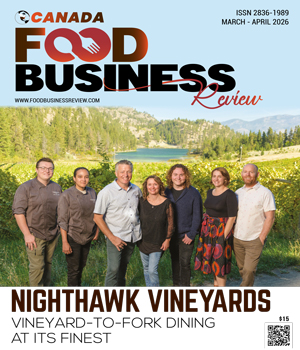
 That throughline is personal. Daniel Bibby and his wife Christy are not just the owners, they manage farming, restaurant and tenthouse operations, finances, and marketing. Their children carry that same care from vine to table, with one being their winemaker, one being their chef and one growing the organic mushrooms used in restaurant dishes. While not certified organic, the family follows organic practices focused on respecting the land and the terroir that shapes their wines.
Tasting fees collected at the winery are donated to The Nature Trust of British Columbia, supporting conservation efforts across the valley. For the Bibby family, stewardship extends beyond their own vines to protect the broader landscape that sustains the region.
“Our story is one of resilience, where family, food, and wine converge to create unforgettable moments rooted in nature and elevated by heartfelt hospitality,” says Daniel Bibby.
Where Nature Writes the Menu
How do vineyard practices influence wine production and culinary offerings?
Situated on a 60-acre property in Okanagan Falls with ten and a half acres planted, plus three leased acres in Osoyoos, the farm produces distinct varietals across two South Okanagan sites. It grows Viognier, Roussanne, Marsanne, and Cabernet Franc in the south, while the home property features Gewürztraminer, Chardonnay, and Pinot Noir. These grapes are used to create signature wines distinctive to the terroir of the valley, and have received awards from across Canada and beyond. The vineyard strategy has been to crop to low yields with minimal watering, to intentionally stress the vines so the roots dig deep into the soil and capture the mineral characteristics distinctive to Okanagan Falls. The result is small-lot production with an attention to detail that starts in the vineyard.
Complementing their award-winning wines is the Vineyard Kitchen and Patio, recognized by Lux Life Magazine as the “Best Outdoor Dining Experience in BC” three years in a row. Opened in August 2020, the scenic outdoor setting features an interactive kitchen that uses a wood-fired oven imported from Portugal to create vineyard-to-fork dishes made from scratch with ingredients sourced locally, grown on the property, or foraged nearby.
-
Our story is one of resilience, where family, food, and wine converge to create unforgettable moments rooted in nature and elevated by heartfelt hospitality.
What can guests expect from the Tenthouses hospitality experience?
Staying in the Tenthouses at Nighthawk Vineyards is a luxury experience immersed in nature. Overlooking the vineyards and lake below, these solar-powered eco-accommodations are not exactly roughing it. From the moment guests arrive, they begin a journey of authentic hospitality and attention to detail. Personally escorted to their suite by electric shuttle, a bottle of Nighthawk wine and a welcome card upon arrival sets the tone. Mornings feature breakfast delivered to your door, and a curated dinner menu is offered in the log pergola to enjoy an amazing vineyard sunset. Tenthouses feature locally crafted furniture, designer washrooms with a rain shower, soaker tub on the deck, and original artwork by Okanagan artists. With the clear skies of the valley, star gazing is a must, but there is Wi-Fi as well for those who need to stay connected.
Hospitality Born of Heritage and Hardship
How has resilience shaped the winery’s growth and operations?
Daniel and Christy’s background was primarily in the hotel and restaurant industry for many years, so their children all grew up with a distinct appreciation for great food, wines and hospitality. That led to the purchase of a vineyard and the creation of a family dream that brought all of those elements together.
What they never would have expected were the tough seasons ahead. Nature has a way of throwing a few curveballs…including flooding, wildfires, and a significant freeze that damaged most vineyards in January 2024. “We’ve also had to endure bears, birds and deer eating our grapes, and who would have expected a two year pandemic to add to the challenges”.
Despite these circumstances, the winery has overcome the obstacles and continues working to increase production and expand their offerings. In addition to the busy wine shop and outdoor restaurant, they also host signature events and vineyard weddings. Resilience is a true family trait, and Nighthawk Vineyards remains dedicated to celebrating its special location in the Okanagan Valley.
Evaluating Estate Wine Producers: Integrating Terroir, Hospitality and Stewardship
Executives responsible for sourcing estate wines for hospitality programs, private clubs or curated retail portfolios face a market defined by abundance and inconsistency. Many labels claim a sense of place, yet few control the full chain from vineyard to guest experience. For buyers whose reputations depend on provenance, continuity of supply and brand alignment, the distinction between a branded winery and a true estate producer is material.
An estate wine producer worthy of consideration demonstrates direct stewardship over its vineyards and a disciplined approach to yield. Ownership or long-term control of land shapes decisions around varietal selection, irrigation and harvest timing. Lower cropping levels, careful canopy management and selective replanting after climate events reflect a commitment to quality over volume. In regions increasingly affected by frost, wildfire and flooding, buyers must assess how a producer responds to environmental volatility. Replanting damaged acreage, diversifying plantings across micro-sites and maintaining sustainable farming practices signal long-term intent rather than opportunistic production.
Authenticity of place also emerges in how the wines are positioned. Terroir-driven expressions, small lot production and restrained expansion plans often correlate with distinct flavor profiles and consistent standards. Buyers evaluating estate partners should look beyond medal counts and focus on vineyard scale, grape sourcing transparency and the degree of family or founder oversight. A producer embedded in day-to-day farming and winemaking decisions is more likely to protect stylistic integrity over time.
Estate wineries that integrate hospitality add another layer of scrutiny. On-site dining, curated tastings and accommodations can strengthen brand equity, yet they also test whether the wine remains central. A credible estate balances culinary ambition with respect for the vineyard. Hyper-local sourcing, vineyard-to-table menus and alignment between chef and winemaker demonstrate cohesion rather than fragmentation. Buyers supply- ing luxury travel or destination venues benefit from producers capable of delivering a unified narrative across wine, food and setting.
Environmental stewardship increasingly influences purchasing decisions. Sustainable practices, biodiversity initiatives and minimal chemical intervention are not marketing embellishments but indicators of how land is managed. Use of organic methods, natural pest control and water restraint practices show attention to soil health and site character. Producers who invest in solar-powered accommodations or low-impact infrastructure extend that philosophy beyond the vineyard. Such measures support long-term viability, which matters to buyers seeking enduring partnerships rather than short-term allocations.
Guest experience, while secondary to wine quality, still informs brand perception. Estate properties that limit scale, favor direct engagement and maintain understated service often cultivate strong loyalty. Curated stays, direct-to-consumer clubs and on-site events can create demand that supports controlled production growth without diluting standards. Buyers should consider whether a winery’s hospitality strategy reinforces scarcity and craftsmanship or pushes volume at the expense of focus.
Nighthawk Vineyards in Okanagan Falls illustrates these attributes in a coherent model. It operates as a family farm gate estate on a 60-acre property, with planted acreage dedicated to varietals such as Chardonnay, Pinot Noir, Viognier and Roussanne. Production centers on small lots and intentionally low yields, with limited irrigation to encourage deeper root systems and site expression. It complements its wines with a vineyardto-fork restaurant led by a family chef, ingredients sourced from the valley and biodiversity practices that include natural pest management and on-site beekeeping. Eco-conscious tent accommodations and measured vineyard replanting after frost damage reflect sustained investment in land and experience. For executives seeking an estate partner grounded in terroir, disciplined production and integrated hospitality, it stands out as a considered choice.
...Read more
Estate Wine Producer Info
Q1
Why is Nighthawk Vineyards considered among top estate wine producer companies?
Nighthawk Vineyards is considered among top estate wine producer companies because it combines boutique vineyard operations, estate grown wines and destination hospitality within one integrated winery experience in British Columbia’s Okanagan Falls region. The winery is recognized for its handcrafted wines, vineyard based accommodations and award winning outdoor dining experiences overlooking Green Lake Valley.
Q2
How does Nighthawk Vineyards differentiate its approach as an estate wine producer?
A boutique vineyard-to-bottle philosophy defines its approach. Nighthawk Vineyards focuses on estate grown varietals including Pinot Noir, Chardonnay, Riesling, Merlot and Cabernet Franc cultivated within its elevated Okanagan terroir. Its estate wine producer model emphasizes small batch winemaking, vineyard expression and immersive guest experiences that connect wine, hospitality and regional landscape together.
Q3
How does the company support premium wine tourism experiences?
Integrated hospitality and vineyard experiences shape its operating model. Nighthawk Vineyards offers wine tastings, vineyard dining and elevated tenthouse accommodations positioned directly above the vineyard landscape. Its estate wine producer experience also includes outdoor culinary programs and curated wine pairings designed to showcase estate wines alongside regional cuisine in a boutique winery setting.
Q4
What value does Nighthawk Vineyards’ estate wine producer model deliver?
Authenticity, terroir expression and destination hospitality define the value delivered. Nighthawk Vineyards creates wines designed to reflect the cool climate growing conditions and distinctive elevation of the South Okanagan region while offering guests direct access to the vineyard environment. Its estate wine producer strategy combines handcrafted wine production with experiential tourism and personalized hospitality.
Q5
What role do awards and vineyard recognition play in the winery’s reputation?
Industry recognition strengthens the winery’s premium positioning. Nighthawk Vineyards has been highlighted for award winning wines and repeatedly recognized for its outdoor dining experience in British Columbia. The winery has also earned strong visitor ratings across wine tourism platforms and regional winery directories, reinforcing its reputation within the Okanagan wine industry.
Q6
Why is Nighthawk Vineyards relevant in today’s wine industry?
Wine consumers increasingly seek boutique wineries that combine premium wines with experiential travel and authentic vineyard environments. Nighthawk Vineyards addresses this demand through an estate wine producer model centered on estate grown wines, destination accommodations and vineyard hospitality. Its integration of winemaking, culinary experiences and eco focused accommodations positions the winery within a growing premium wine tourism market.
Company :
Nighthawk Vineyards
Management Daniel and Christy Bibby, Owners, Nighthawk Vineyards
Description
A family-run winery in Okanagan Valley blends sustainable farming, terroir-driven wines, and vineyard-to-fork dining. Eco-luxury tenthouse stays, biodiversity practices, and
resilient hospitality create authentic experiences, celebrating nature, food, and wine while overcoming floods, wildfires, and a devastating 2024 freeze.